



Sports Broadcasting Rights: A Legal Guide for Independent Broadcasters (2026)

By Dacast Editorial Team | Reviewed by Jon Whitehead, COO at Dacast | Updated June 2026
Sports streaming rights have never been more complicated, or more important to get right. The fragmentation of broadcasting rights across dozens of streaming services has turned what was once a simple TV rights deal into a maze of platform-specific agreements, territory restrictions, and licensing requirements.
For independent broadcasters, school athletic departments, community leagues, and niche sport organizations, the question is more practical: what rights do you actually need to stream a sporting event legally, and what happens if you get it wrong?
This guide covers the core legal framework for sports broadcasting rights in 2026: who owns the rights, how licensing works, what to do about athletes and youth participants, venue permissions, and how the regulatory landscape is shifting. Unless otherwise noted, this focuses on the U.S. legal framework, though the principles apply broadly.
Note: This article is an overview for independent broadcasters and organizations. It is not legal advice. For specific situations, consult a qualified media law attorney.
Table of contents
- The 2026 Sports Rights Landscape: What Has Changed
- Who Holds the Rights to a Broadcast Live Stream?
- The Right of Publicity
- Licensing Rights: How They Work
- Professional Sporting Events: Getting Permission
- Youth Sports and Legal Rights
- Location Rights
- Geo-Restrictions and Streaming Platform Controls
- FAQ
- Conclusion
The 2026 Sports Rights Landscape: What Has Changed
Sports broadcasting rights have fragmented dramatically since 2019. Rights that once belonged to a handful of broadcasters are now split across dozens of streaming platforms, each with exclusive windows for specific games, regions, or sports.
The scale of the shift is significant. In 2025, NFL games aired across 10 different services, which according to some estimates could cost a consumer over $1,500 to watch all games (FCC Media Bureau, February 2026). Streaming services alone are projected to spend $14.2 billion on sports rights in 2026, with pure streaming services accounting for 25% of the NFL’s broadcast revenue (American Action Forum, March 2026).
For independent broadcasters, this fragmentation has two practical consequences. First, rights holders are more protective of their content than ever, the commercial value of live sports is too high for leagues to tolerate unauthorized streams. Second, the FCC opened a formal inquiry in February 2026 into how streaming has impacted broadcasters’ ability to obtain sports rights and ensure public access to live sports. State broadcast associations in all 50 states have called for Congressional review of the Sports Broadcasting Act of 1961, which gave leagues antitrust exemption to negotiate collective rights deals. This regulatory environment is actively evolving.
What this means for you: even if you are streaming a local youth tournament or a small regional league, the same legal principles apply. Understanding the framework protects you from takedown notices, legal disputes, and platform bans.
Who holds the rights to a broadcast live stream?
 However, you may not even realize when you’re signing away rights. When you broadcast using a service like YouTube or Facebook, you grant those companies the right to use your content any way they choose. You don’t lose any of your rights, but rather YouTube gains the same rights over your video.
At Dacast, even after your content has broadcast live, the original broadcaster still owns the video and all rights to it. This is one important reason to use a professional streaming solution such as Dacast. All rights for your content remain in your hands, without 3rd-party branding or outside marketing.
The takeaway: The takeaway: to keep all your content rights, avoid free video platforms. If it’s free, you’re the product, and in 2026, that means your content, your viewer data, and your monetization potential all belong to the platform, not to you. Professional platforms like Dacast ensure the original broadcaster retains full rights to their content.
Right of Publicity
The Right of Publicity, sometimes called “personality rights,” protects against unauthorized uses of a person’s name or likeness for commercial purposes. Do note, however, the Right of Publicity can change state to state in the U.S. The law also varies country by country.
In California, for example, photos of crowds, such as public streets or sporting events, are not in violation of the law as long as “no person is singled out.” Any person whose name or image is both singled out and is used to sell products may claim misappropriation of rights.
So, how do you legally use someone’s likeness for broadcast live stream sports events?
Licensing Rights
 Simply put, an athlete can sell or consent to their use of publicity rights by signing a licensing agreement. A licensing agreement is a contract where an athlete authorizes a licensee to use their name or likeness in merchandise, advertising, or broadcasts.
Typically, any sports team that broadcasts their match requires all players, coaches, referees, and other personnel to sign a licensing agreement with the team or league itself. With this contract in place, the team or league can negotiate directly and collectively with broadcasters around the rights to record and distribute or broadcast live sports.
The takeaway: If you broadcast live sports, know that that it’s your responsibility to ensure licensing agreements are signed and in place.
In the streaming era, licensing agreements have become more complex. Rights deals often include platform-specific clauses: a license to stream on your own website may not cover streaming on YouTube, Twitch, or Facebook simultaneously. If you plan to multistream, ensure your licensing agreement explicitly covers each platform. When in doubt, restrict your stream to your owned destination and use clips or highlights for social platforms.
Professional Sporting Events Broadcast Live
Any business that seeks to broadcast live club or professional sporting events should always seek approval from the league or organization.
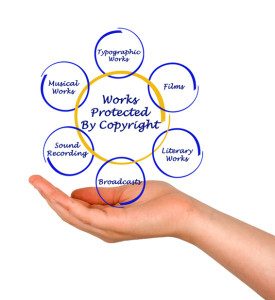 The sports team or league owns the exclusive rights to any game or event they organize. Because this material is licensed and copyrighted, users cannot stream or broadcast these games and events on streaming platforms. Why not? The usage and broadcasting rights do not belong to the user in the first place. Note that this is true even with platforms like Dacast, where you do retain rights over your content.
Without explicit permission from a sporting league or organization, no one individual has the right to broadcast or stream professional sporting events that are copyrighted and licensed.
Enforcement has intensified significantly. Streaming platforms now use automated content recognition systems (similar to YouTube’s Content ID) to detect unauthorized sports broadcasts in real time. Rights holders can issue automated takedown requests mid-stream. Beyond platform enforcement, leagues actively monitor for unauthorized streams. The NFL, UFC, and Premier League each have dedicated piracy enforcement teams. The consequences of streaming without rights range from content takedown to platform bans to civil liability.
The takeaway: Get the proper permissions so that both you and the league can benefit from your business model, legally.
Youth Sports and Legal Rights
Youth sports are increasingly popular. And as streaming solutions become more common, broadcast live stream sports with youth athletes are on the rise as well. But anytime you are dealing with minors as a business, you need to be extra cautious. In particular, what should you know about legal rights and dangers for broadcasting youth sports?
 Policies will sometimes exist that allow parents, fans, and viewers to take photos and videos of the players. Other times, a policy will prevent any individuals from photographing or recording the participants. Youth sports leagues use this latter approach widely. In this context, it adds an extra layer of protection for the children. If the league does not specify any policy on photography and filming, you should ask the parents/players.
An additional consideration in 2026: data privacy regulations now apply to streaming as well as filming. If your stream includes minors and you collect any viewer data : email addresses, payment information, viewing behavior, you must comply with COPPA (Children’s Online Privacy Protection Act) in the U.S. and GDPR in Europe. This means avoiding platforms that automatically collect viewer data without parental consent when streaming content featuring minors.
The takeaway: If you are broadcasting commercially, you should always get signed releases and licenses from parents and guardians, as well as from coaches.
Location Rights
Venues in which sports take place are often owned by businesses with their own policies and rights. You need to inform these businesses of commercial activities taking place on their premises, including broadcast live stream sports events.
Before broadcasting in a private place, it is best to ask for and receive permission to do so. Ideally, you should make this request in writing.
Geo-Restrictions and Streaming Platform Controls
Many sports rights agreements include territorial restrictions, the right to stream a game in one country does not automatically include the right to stream it globally. This is why platforms like Dacast include built-in geo-restriction tools: broadcasters can specify which countries are allowed to access a stream, and which are blocked.
For independent broadcasters who have negotiated limited territory rights, geo-restriction is not optional, it is a contractual requirement. Failing to implement geo-restrictions on a stream that should be territory-limited can constitute a breach of your rights agreement, even if the stream itself was authorized.
Platform controls that support rights compliance include:
- Geo-blocking: allow or block access by country or region
- Domain restrictions: ensure the stream only plays on your own website
- Tokenized access: require a login or ticket purchase before viewing
- Watermarking: deter unauthorized redistribution and support piracy monitoring
FAQ
Do I need rights to stream a local youth tournament or school game?
In most cases, yes. Even for local events, streaming rights can belong to the league, school athletic department, venue, or a media partner. Before streaming, confirm who owns the broadcast rights, obtain written permission from the relevant organization, ensure all players and coaches have signed appropriate releases, and verify that any music played at the venue (warmups, halftime) is covered. When in doubt, ask for permission in writing and keep a copy on file.
Can I stream professional sports on Dacast?
You can use Dacast to stream any event for which you hold the broadcasting rights. Dacast itself does not grant you rights to professional sports content, those rights belong to the leagues and their authorized partners. If you have negotiated a rights agreement with a league or event organizer, Dacast’s platform will support geo-restrictions, tokenized access, and secure delivery to help you comply with the terms of that agreement.
What is the Right of Publicity and how does it affect sports streaming?
The Right of Publicity protects individuals from having their name or likeness used for commercial purposes without consent. In sports streaming, this means you cannot single out an athlete, coach, or official and use their image to promote your stream or sell advertising without their authorization. Team and league licensing agreements typically cover this, players and staff sign collective agreements that authorize the league to negotiate broadcast rights on their behalf. For independent events, individual releases may be required.
What happens if I stream a sports event without the proper rights?
The consequences range from immediate content takedown to platform bans to civil legal action. Rights holders : leagues, teams, event organizers, actively monitor for unauthorized streams and use automated content recognition systems that can issue takedown requests in real time. In serious cases, broadcasting without rights can result in copyright infringement claims with significant financial penalties.
Do I need different permissions to multistream to YouTube, Twitch, and my own website?
Potentially yes. A rights agreement that covers streaming on your own website may not automatically extend to third-party platforms like YouTube, Twitch, or Facebook. Each platform is treated as a separate distribution channel in most rights agreements. If you plan to multistream, confirm your rights agreement explicitly covers all platforms you intend to use or restrict the full broadcast to your owned destination and use highlights only for social platforms.
What is the Sports Broadcasting Act of 1961 and does it affect independent streamers?
The Sports Broadcasting Act of 1961 grants professional sports leagues an antitrust exemption that allows them to negotiate broadcast and streaming rights collectively on behalf of their member teams. This is why the NFL, NBA, and other major leagues can sell rights as a single package to broadcasters and streaming platforms. For independent streamers, the practical implication is that you cannot negotiate directly with individual teams for rights that the league controls collectively, you must go through the league or its authorized partners.
Conclusion
Sports broadcasting rights are complex, and the landscape is shifting, the FCC’s 2026 inquiry into sports streaming rights signals that the regulatory framework is actively being reconsidered. For independent broadcasters, the fundamentals remain the same: get the rights in writing, use signed releases for athletes and venue operators, implement geo-restrictions if your agreement requires them, and consult a media law attorney when the stakes are high.
The good news is that the technology side is straightforward. Dacast gives you the platform controls to comply with territorial rights agreements: geo-blocking, tokenized access, and domain restrictions, without requiring technical expertise to configure them.
It’s essential to stream with a professional streaming solutions platform to secure all rights to your broadcasts. Not yet streaming with Dacast, and ready to give our platform a try? Sign up below and enjoy all our features free for 14 days (no credit card required)!
