



B2B vs. B2C Video Streaming Platforms: How to Choose the Right One in 2026

By Dacast Editorial Team | Reviewed by Jon Whitehead, COO at Dacast | Updated September 2026.
Video streaming helps businesses, educators, and media teams reach audiences through live events and on-demand video. If you’re broadcasting professionally, on your site, apps, or OTT channels, the right platform matters for reliability, security, monetization, and viewer experience.
In 2026, the best video streaming platforms for broadcasters offer more than just video hosting. Look for features like adaptive streaming, AI-powered captions, secure video streaming platforms with DRM and SSO, low-latency video streaming platforms, multi-CDN support, and tools for OTT and FAST channel streaming. These capabilities help ensure reliable delivery, protect content, and drive engagement and revenue.
This guide breaks down how to choose between B2B and B2C video streaming platforms, the buying criteria that matter most for professional broadcasters, and a closer look at a few platforms that fill specific niches, from multistreaming to enterprise compliance. For the complete side-by-side list of 20 video hosting platforms, see our full comparison guide.
TL;DR: The best video streaming platforms for broadcasters in 2026 combine reliable delivery (multi-CDN + ABR), security (DRM, SSO, tokenization), monetization (SVOD/TVOD/AVOD), and low-latency options (SRT/WebRTC). Use B2B platforms for branded, secure, monetized streaming on your site/apps; use B2C platforms(YouTube/Twitch/Facebook) mainly for reach and discovery.
Table of Contents:
- How We Ranked the Best Video Streaming Platforms (2026 Methodology)
- B2B vs B2C Streaming Platforms: Which One Do You Need?
- What to Consider When Comparing B2B Video Platforms
- A Closer Look: 5 Platforms That Fill Specific Niches
- Why Dacast Is a Top B2B Video Streaming Platform
- 2026 Video Streaming Features & Trends
- How to Choose the Right Platform
- FAQs
- Conclusion
How We Ranked the Best Video Streaming Platforms (2026 Methodology)
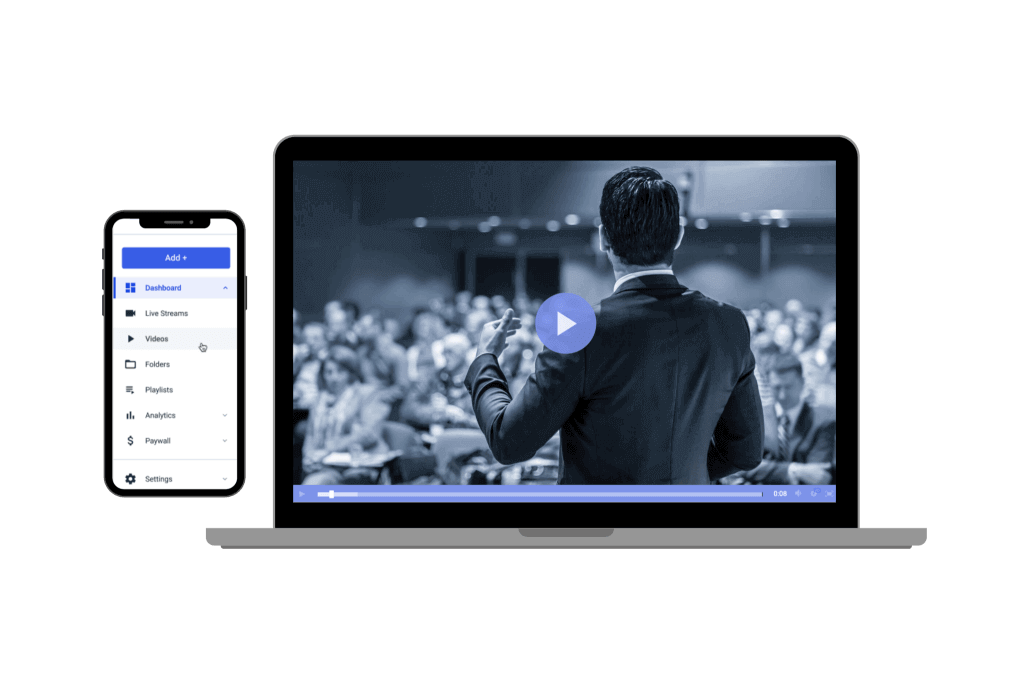
Video streaming has become an essential tool for businesses across industries. In 2026, enterprise video streaming solutions are not just for marketing, they support internal communications, customer engagement, and the ability to easily stream to customers across devices using mobile apps, as well as training, and monetization. According to streaming statistics, the enterprise video market is projected to grow to USD 31.4 billion by 2027.
Professional broadcasters and B2B organizations require platforms built for security, reliability, and scale.
These organizations also value the ability to invite guests for live interaction and real time engagement, which enhances collaboration and audience participation. This guide evaluates the best video streaming platforms for broadcasters in 2026 using real-world criteria from businesses leveraging Dacast and other online video platforms.
Our methodology evaluates platforms based on:
- Pricing transparency and subscription options
- Monetization capabilities (SVOD, TVOD, AVOD)
- Security and compliance features, including DRM, SSO, and China delivery
- Latency and low-latency streaming support (SRT/WebRTC)
- API and SDK availability for custom integrations
- Multi-CDN support for global reach
- Support, SLA, and reliability
- User reviews and feedback
- The ability to support live streamers and facilitate live interaction
Sidebar: Why B2B video matters
- Enhanced engagement: Live webinars, product demos, and Q&A sessions help audiences understand products and services. Real time engagement and the ability to invite guests to live sessions further boost audience participation.
- Wider reach: Video breaks location barriers and enables global visibility.
- Thought leadership: Events and webinars position businesses as industry experts.
- Optimized marketing: Video content strengthens lead nurturing, marketing funnels, and conversion rates.
Several consumer-grade platforms exist, but professional broadcasters need enterprise-grade tools to ensure secure video hosting and delivery, reliability, and features tailored for B2B workflows.
B2B vs B2C Streaming Platforms: Which One Do You Need?
Not all streaming platforms serve the same purpose. Free, consumer-focused services like YouTube and Facebook Live are great for creators who want reach and discoverability, helping users easily discover new creators and engaging content through search, recommendations, and platform algorithms. Professional broadcasters, however, often need enterprise video streaming solutions that prioritize control, security, and monetization.
If your goal is to run a business around video, protect your content rights, or stream events on your own website, a B2B video streaming platform is usually the better fit. If you are a creator looking to grow an audience quickly, B2C platforms may be enough, or you can combine both with multistreaming. (See our guide on multistreaming for creators.)
Here’s a quick comparison:
| Factor | B2C Platforms (YouTube, Twitch) | B2B Platforms (Dacast, Kaltura) |
|---|---|---|
| Cost | Free to use, ad-driven | Subscription-based, free trials available |
| Content control | Limited rights, third-party ads/comments | Full rights, branding, no ads unless you add |
| Features | Basic analytics, chat, large audiences | Monetization tools, DRM, API, multi-CDN |
| Best for | Creators, gamers, casual live streams, building a community of fans on social media platforms | Businesses, education, sports, enterprise |
Choosing between them depends on your goals: audience reach vs. professional-grade delivery. Many organizations use both: B2C for visibility and B2B for secure, branded video hosting and delivery.
What to Consider When Comparing B2B Video Platforms
Choosing the right B2B video platform isn’t about picking the cheapest option or the one with the most name recognition. It’s about finding a solution that delivers the features, security, and performance your business needs. Use the checklist below to evaluate providers and identify which features are non-negotiable for your organization.
- Reliability: Multi-CDN delivery for global reach and redundancy, adaptive bitrate streaming, 24/7 support with an SLA
- Latency: Low-latency streaming (SRT/WebRTC) for real-time events, browser-based streaming for fast, simple delivery
- Monetization: Pay-per-view, subscriptions, ads, integrated paywall with global currency and SSL-encrypted payment support
- Security & Compliance: DRM, password protection, geo/IP/domain restrictions, watermarking, tokenized access
- APIs & SDKs: Player API, mobile SDKs (iOS/Android), white-label player
- Analytics & Integrations: Viewer analytics, marketing integrations (HubSpot, Salesforce), live captions
- Geography (China): Licensed CDN support and compliance with Chinese streaming regulations
- Support & SLA: 24/7 customer service, dedicated account management for enterprise clients
A Closer Look: 5 Platforms That Fill Specific Niches
With these key features in mind, you can now explore different video streaming platforms to see which best fits your live streaming goals. Consider which features are essential and which you can do without.
1. Uscreen

Uscreen is a full-service OTT platform designed for businesses that want to monetize video content. It allows creators and companies to launch subscription-based video services with branded apps across multiple devices.
Basic Functionality:
End-to-end video monetization platform with live and VOD hosting. Ideal for OTT subscription businesses.
Key Features:
- OTT apps for mobile, web, and TV
- Integrated paywall and subscription management
- Analytics dashboard
- Marketing and engagement tools
Pros:
- White-label and fully customizable
- Monetization built-in
- Simple for non-technical users
Cons:
- Limited advanced live-stream production tools
Pricing:
Starts at $49/mo (custom plans for enterprises)
2. VIDIZMO
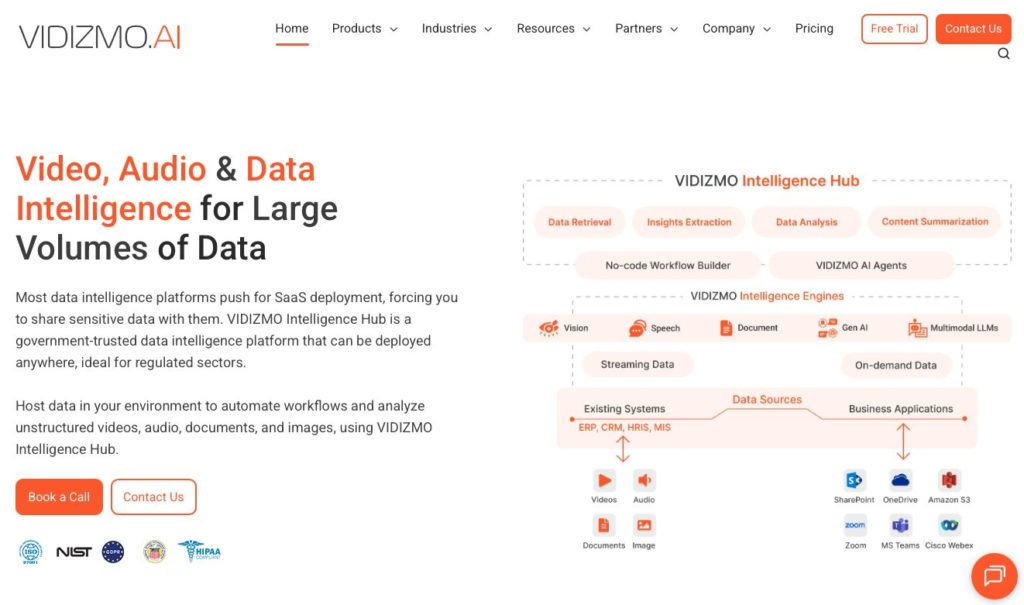
VIDIZMO provides enterprise-grade video streaming with security, DRM, and analytics for organizations needing a highly compliant platform.
Basic Functionality:
Secure video streaming for enterprises, government, and training. Supports live and on-demand content.
Key Features:
- Enterprise video portal
- DRM and AES encryption
- Advanced analytics and reporting
Pros:
- High security and compliance
- Custom branding
Cons:
- Primarily enterprise-focused, less intuitive for smaller teams
Pricing:
Custom enterprise pricing
3. VPlayed
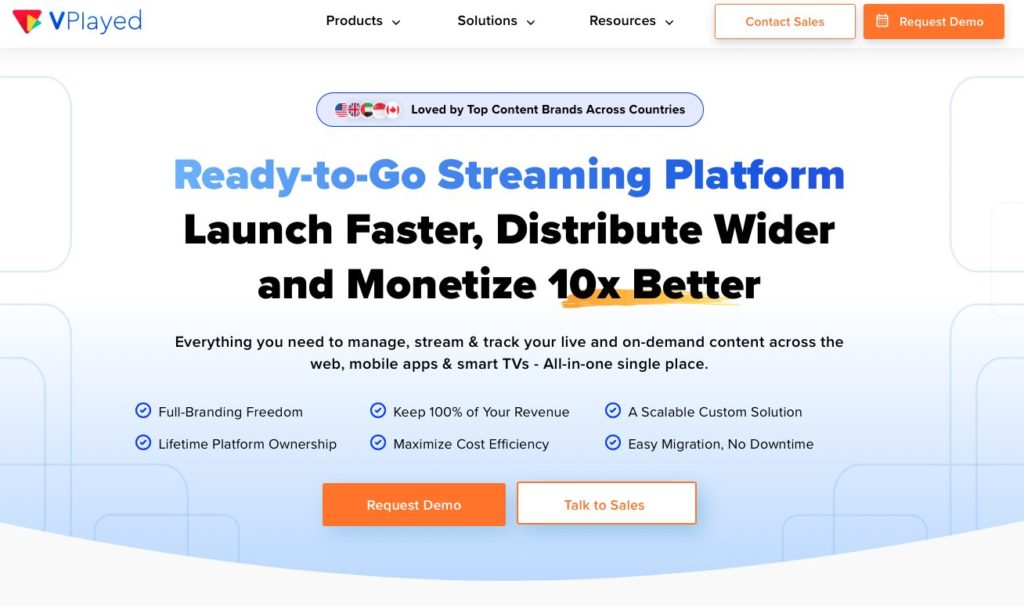
VPlayed is an online video platform for businesses that want live streaming, VOD, and OTT apps with monetization and multi-device support.
Basic Functionality:
OVP for live streaming, VOD, and monetization with OTT apps.
Key Features:
- Multi-device streaming
- Custom video portals
- Subscription and pay-per-view support
Pros:
- Robust security and DRM
- Suitable for large-scale broadcasting
Cons:
- Pricing not transparent
Pricing:
Contact for custom plans
4. Castr
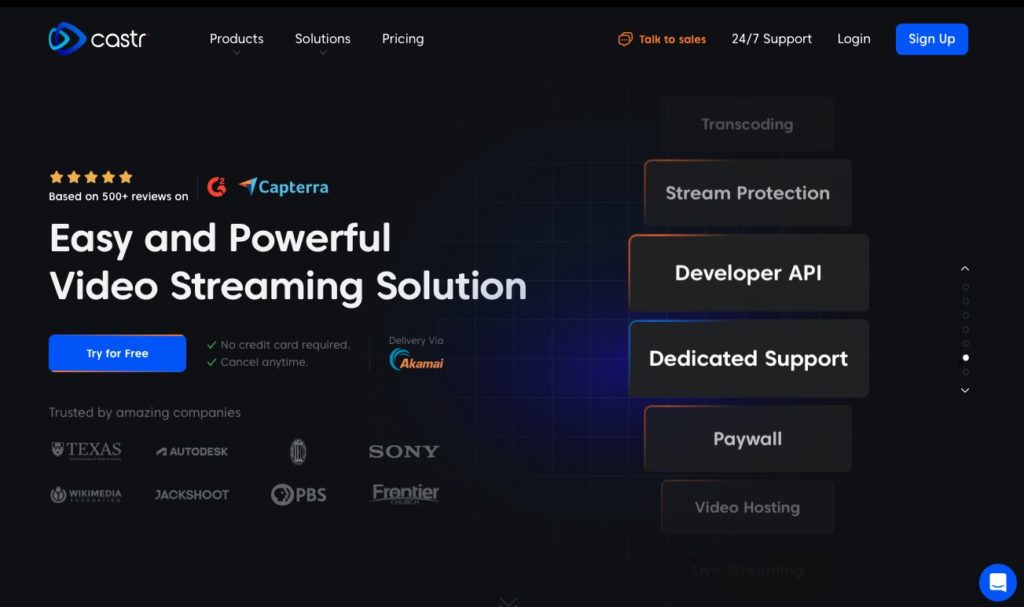
Castr is a multistreaming solution that allows businesses to broadcast simultaneously to several platforms, enabling them to reach multiple destinations at once, while offering cloud recording and basic analytics.
Basic Functionality:
Multistreaming platform with VOD and live broadcast support.
Key Features:
- Live simulcast to multiple destinations
- Embeddable video player
- Cloud recording
Pros:
- Supports multiple platforms simultaneously
- Affordable options for small teams
Cons:
- Limited advanced analytics
Pricing:
Starts at $16,67/mo
For a closer look at how the two compare feature by feature, see our full Dacast vs. Castr comparison.
5. Twitch

Millions of fans watch live streamers on Twitch as they create engaging and creative content, from gaming to art, music, and unique broadcasts. Twitch is the leading platform for gaming and entertainment live streams, with tipping and subscription monetization.
Basic Functionality:
Consumer-focused live streaming platform, primarily for gaming and tech audiences.
Key Features:
- Tools for tipping
- Live chat
- Channel subscriptions
Pros:
- Mobile broadcasting
- iOS and Android compatible
Cons:
- Consumer-focused
- Limited advanced streaming tools
Pricing:
- Free
- Subscriptions: $4.99–$24.99/mo
Why Dacast Is a Top B2B Video Streaming Platform

When Dacast is the Right Fit
Dacast is ideal for businesses, organizations, and professional broadcasters seeking a secure, reliable, and feature-rich video streaming solution. Its platform supports both live streaming and on-demand video, with an HTML5 player that ensures compatibility across mobile, desktop, and tablet devices.
For organizations just getting started, Dacast’s Starter plan provides robust features, like password protection, encryption, and embeddable video, at just $39/month. Teams needing advanced capabilities such as API access, phone support, monetization tools, and paywall solutions can turn to the Scale Plan ($165/month), which includes 2,000 GB of streaming data and 24 TB of storage. For occasional or one-off events, the Event plan ($63/month) offers 6 TB of streaming data and 250 GB of storage, making it easy to broadcast without a long-term commitment.
With Dacast, you get professional-grade streaming at competitive pricing, whether your goal is consistent enterprise broadcasting, monetized video content, or ad-hoc live events.
2026 Video Streaming Features & Trends
The video streaming landscape is evolving rapidly in 2026. Platforms are increasingly incorporating advanced features that enhance security, engagement, and flexibility. Real time engagement, live interaction, and the creation of engaging content and creative content are becoming essential for attracting and retaining viewers, as platforms focus on tools that foster immediate audience participation and showcase original, diverse broadcasts.
Here are the top trends and features to watch:
AI-Powered Captions and Translation
Automated transcription and translation tools help broadcasters reach global audiences. AI-generated captions reduce production time and improve accessibility, while real-time translation opens new international markets.
AI Highlights and Moderation
AI-driven clipping and highlight creation automatically generates short-form content from long streams. Moderation tools powered by AI help filter inappropriate content, comments, or live chat messages to protect brand safety.
SSAI vs CSAI (Ad Insertion)
Server-Side Ad Insertion (SSAI) is increasingly preferred for seamless ad delivery, reducing buffering and ad-blocker interference. Client-Side Ad Insertion (CSAI) remains useful for highly interactive or personalized ad experiences.
Low-Latency Streaming: SRT and WebRTC
Protocols like SRT and WebRTC enable near real-time streaming with minimal latency, making them ideal for live auctions, sports, gaming, or interactive webinars. Choosing the right low-latency protocol is key for audience engagement.
Multi-CDN for Reliable Delivery
Using multiple CDNs ensures consistent video performance worldwide, reducing buffering and downtime even under heavy traffic or network congestion. Multi-CDN strategies are becoming standard for enterprise-grade streaming.
Security & Compliance
Enterprise platforms now emphasize DRM, SSO, SOC 2 compliance, and GDPR adherence. Robust security ensures content protection, regulatory compliance, and safe access control for sensitive or premium video content.
Migration Assistance
As businesses upgrade platforms, vendors increasingly provide migration support from solutions like Vimeo or Brightcove. This ensures seamless transition without downtime or loss of existing content.
Staying ahead in 2026 means choosing a platform that integrates these capabilities, allowing you to deliver professional, secure, and engaging video experiences across any audience or device.
How to Choose the Right Platform
When choosing the B2B video platform for your business, you’ll want to check what types of plans are available and what level of commitment is required. You’ll also want to consider this if you’re not techy or don’t have very techy employees. Pay attention to the complexity of the platform, the support they offer, and the number of support documents they have.
Ultimately you want to go with the platform that fits your streaming budget and meets your needs in terms of features and capabilities.
Live Stream to Multiple Platforms Simultaneously

In some cases, why limit yourself to one platform? Sometimes it can be a good idea to use multiple platforms if, for example, you want to multiply your reach and chance of attracting new audiences with multistreaming. In this case, you’ll want to look for a video stream platform that supports simulcasting.
Suppose you have an audience on Facebook or YouTube. You can use a platform like Dacast to stream your content on both platforms while also streaming on your website, all at the same time.
To learn more about the other options, we dive deeper into this on our blog on live streaming to multiple platforms simultaneously.
FAQs
1. Which is the best video streaming platform for professional broadcasters in 2026?
The best platform depends on your needs, audience size, and budget. Professional broadcasters typically prioritize platforms that support live streaming, VOD, DRM, SSO, and enterprise-grade analytics. Top options for 2026 include Dacast, Brightcove, IBM Video Streaming, and Wowza.
2. What features should enterprises prioritize when comparing OVPs?
Enterprises should look for security features like DRM and password protection, multi-bitrate streaming for consistent quality, low-latency delivery for live events, and monetization tools such as paywalls or subscriptions. White-labeling and API access are also important for maintaining brand control and custom workflows.
3. Which platforms support DRM, SSO, and enterprise-grade security?
Platforms such as Dacast, Brightcove, JW Player, Kaltura, and IBM Video Streaming provide DRM support, AES encryption, and other advanced security features, with SSO available on select enterprise plans
4. What’s the difference between OVPs and free/social platforms like YouTube or Facebook?
OVPs (Online Video Platforms) provide full control over content, advanced analytics, monetization options, and enterprise-grade security. Free social platforms are easier to use and reach broad audiences, but they lack professional branding, robust analytics, and content protection.
5. Which platforms provide true China video delivery and compliance?
China has strict streaming regulations, so platforms like Dacast, IBM Video Streaming, and Wowza are among the few that can legally host content in China with proper licensing. Many global platforms, including YouTube and Facebook, are blocked or unreliable within the country.
6. How do SRT and WebRTC compare for low-latency live streaming?
SRT (Secure Reliable Transport) is ideal for high-quality, low-latency streams over unpredictable networks, especially for professional broadcasting. WebRTC delivers very low, near sub-second latency for interactive experiences but can require more bandwidth and infrastructure. Choosing between them depends on your event type and latency requirements.
7. Can I migrate from Vimeo or Brightcove to Dacast without downtime?
Yes, Dacast offers seamless migration support for live and on-demand content. With proper planning, you can transfer videos, embed codes, and metadata with minimal disruption to your viewers. Our support team assists with migration to ensure continuity.
8. What are the hidden costs of streaming (bandwidth, storage, SSAI, transcoding)?
Streaming costs can go beyond subscription fees. Consider bandwidth usage, storage, server-side ad insertion (SSAI), live transcoding, and API access. Some platforms bundle these in plans, while others charge extra, so it’s important to review pricing carefully to avoid surprises.
9. How do I monetize my video content effectively?
Monetization options vary by platform and include subscriptions, pay-per-view, ads, and hybrid models. Professional OVPs like Dacast, Vimeo OTT, and Brightcove provide integrated paywalls and ad insertion, whereas social platforms mostly rely on limited ad revenue sharing.
10. Can I brand my video player and streaming pages?
Yes, enterprise platforms such as Dacast, Brightcove, and Kaltura allow full white-labeling, including custom logos, colors, and player UI. Social platforms like YouTube and Facebook display their own branding, which limits control over the viewer experience.
Conclusion
No matter which direction you go for top video streaming platforms; we hope this article has helped you to make a more informed decision.
Whatever your streaming goals, needs, and audience size, we’re here to help. Dacast offers an all-in-one professional streaming video hosting solution with no need to engage with intermediaries. In short, we guarantee our users an easy, seamless experience backed by our 24/7 streaming support service and a complete knowledge base.
Remember: take the time to compare price, reliability, and other important features you’ll need before committing to a streaming solution service. Also, take advantage of free trials whenever possible.
Try Dacast risk-free with our 14-day free trial and explore all the features for yourself.
